
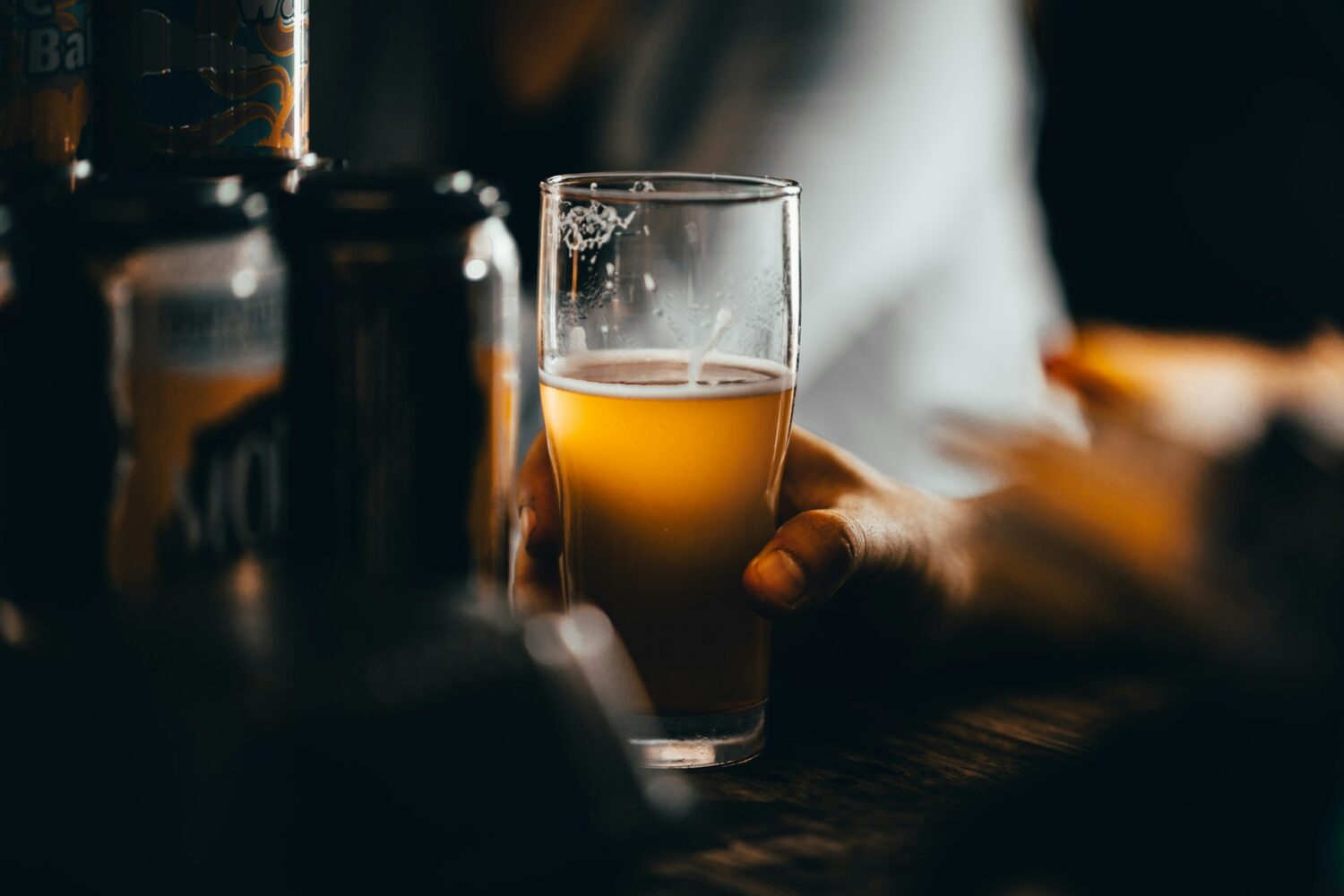
Finding a decent alcohol-free beer in a UK pub is getting easier, but finding one on draught can still be surprisingly difficult. While the selection of bottles and cans has improved enormously, those wanting a freshly poured pint often find themselves with considerably fewer options.
New research from the University of York and Anglia Ruskin University suggests that pubs could be overlooking an opportunity. The study found that making alcohol-free beer more readily available, particularly on draught, encouraged customers to choose it without reducing overall drinks revenue.
For an industry facing considerable financial pressures, that’s an interesting finding. It also raises a question I’ve wondered about for some time: if alcohol-free beer is becoming increasingly popular, why isn’t it treated more like regular beer in pubs?
What did the researchers discover?
The study, published in Drug and Alcohol Review on 25 September 2026, examined how customers responded when alcohol-free beer became more visible and accessible in three UK pubs.
Researchers collected daily sales data over nine months and introduced three changes in sequence. They began by adding canned alcohol-free beer to the fridges, followed by promotional posters around the venues, and finally introduced alcohol-free beer on draught.
The idea was to understand whether making alcohol-free alternatives more noticeable and convenient would influence what customers ordered. These types of changes are sometimes called behavioural nudges, encouraging different decisions without taking away existing choices.
The results were revealing. Promotional posters alone had relatively little impact, but making alcohol-free beer physically available increased sales. Introducing it on draught proved particularly successful, with customers frequently choosing a freshly poured pint over packaged alternatives.
Perhaps most importantly for pub owners, the researchers found no negative effect on overall drinks revenue. In these particular pubs, sales of alcoholic beer weren’t reduced by the interventions either, although there were changes elsewhere. Introducing canned alcohol-free beer was associated with lower wine and spirits sales, while draught alcohol-free beer was associated with lower soft-drink sales.
Warmer weather also appeared to influence demand, with sales of no-and-low-alcohol drinks increasing as temperatures rose.
It’s worth remembering that the research involved only three pubs and wasn’t a randomised trial. That means the results shouldn’t be treated as proof that every pub would experience exactly the same outcome. Nevertheless, they provide some useful real-world evidence about what happens when customers are given more choice.
There’s something different about a pint from the tap
Anyone who enjoys beer will probably appreciate that drinking it in a pub is about more than the liquid itself. There’s something satisfying about ordering a pint, watching it being poured and enjoying it in the surroundings of a good pub.
I don’t think alcohol-free beer should have to imitate conventional beer to justify its existence, but I do think it deserves the same consideration when it comes to how it’s served.
A bottle or can isn’t necessarily inferior in quality, and plenty of excellent alcohol-free beers are sold in both. However, when everyone else is ordering draught beer, being handed a small bottle from the fridge can make the alcohol-free choice feel like something of an afterthought.
There’s also the question of variety. A pub might offer several lagers, bitters, pale ales and stouts on tap, yet its entire alcohol-free selection consists of one or two familiar bottled brands. That isn’t much of a choice, particularly when alcohol-free brewing now covers such a wide range of styles.
Putting alcohol-free beer on draught gives it a more prominent place alongside everything else. It becomes part of the normal selection rather than something customers need to search for or specifically ask about.
Does alcohol-free beer really threaten pub profits?
One argument against dedicating valuable bar space to alcohol-free beer is that it could take sales away from more profitable alcoholic drinks.
The latest study suggests that concern may be overstated, although the financial picture isn’t quite as simple as looking at total takings.
Interestingly, this isn’t the first UK research to examine the relationship between draught alcohol-free beer and pub revenue.
A separate study published in the journal Addiction in 2024 examined 14 English pubs and bars that introduced draught alcohol-free beer. Researchers found that its availability was associated with approximately 4–5% lower sales volumes of alcoholic draught beer, without clear evidence of an effect on overall drinks revenue.
The two studies therefore found somewhat different patterns in what customers stopped buying, but their broader findings point in a similar direction: offering draught alcohol-free beer doesn’t necessarily mean sacrificing drinks revenue.
Of course, revenue and profit aren’t the same thing. Pubs still need to consider wholesale prices, keg sizes, cellar management, wastage and whether a particular beer will sell quickly enough to justify occupying a tap.
A busy city-centre bar may have very different requirements from a small rural pub, and an alcohol-free lager that sells well in one venue might struggle in another. There isn’t a single approach that will work everywhere.
However, the evidence does suggest that dismissing draught alcohol-free beer purely because customers might otherwise have ordered something alcoholic is too simplistic.
The problem with assuming there’s no demand
There’s a familiar dilemma when it comes to alcohol-free beer in pubs. A landlord might reasonably argue that there isn’t enough demand to justify putting it on tap. But if customers never see it available, how can anyone know how popular it might become?
This is where the new research is particularly interesting. Simply putting up posters didn’t have much effect, whereas changing what was actually available made a noticeable difference.
In other words, telling customers about alcohol-free beer isn’t necessarily as effective as giving them an appealing opportunity to order it.
It also raises the possibility that some customers simply choose something else when the alcohol-free selection is poor. They might order a soft drink, settle for a beer they aren’t particularly interested in, or perhaps choose a different pub next time.
That’s not to suggest every pub needs an extensive range of alcohol-free beers on tap. Even one well-chosen option, properly served and clearly displayed, could be a worthwhile starting point.
And it doesn’t necessarily have to be a lager. With the variety of alcohol-free pale ales, IPAs, wheat beers and darker styles now available, there’s plenty of scope for pubs to offer something more interesting.
What might this mean for breweries?
For alcohol-free breweries, greater availability on draught could open up opportunities beyond supermarket shelves and online sales.
Getting beer into pubs brings its own challenges, particularly for smaller independent producers. Distribution, maintaining product quality and persuading landlords to take a chance on a relatively unfamiliar brand all require investment and effort.
Nevertheless, if more pubs begin viewing alcohol-free beer as a genuine part of their draught offering, rather than an occasional alternative, it could create a more attractive market for specialist breweries.
It might also encourage further innovation in the way alcohol-free beer is packaged, stored and dispensed. These practical considerations matter because alcohol-free beer can have different microbiological and storage requirements from conventional beer, depending on how it’s produced.
A reliable draught product needs to work for the brewery, the pub and the person drinking it.
Could this change the traditional British pub?
I wouldn’t expect every local pub to suddenly dedicate half its taps to alcohol-free beer, nor would I particularly want that. A good pub should cater for the customers who actually use it, whatever their drinking preferences.
But I do think there’s room for a change in attitude.
The idea that alcohol-free beer is only relevant to people who never drink alcohol seems increasingly outdated. Some people alternate between alcoholic and alcohol-free drinks, others choose it because they’re driving, and plenty simply enjoy drinking it.
More importantly, those choices aren’t mutually exclusive. A customer can appreciate a traditional pint one evening and choose a non-alcoholic beer the next without there needing to be a bigger explanation.
For me, the appeal of having more alcohol-free beer on draught is straightforward. It means being able to walk into a pub, look at the pumps and choose a beer I genuinely fancy drinking.
The latest research doesn’t prove that draught alcohol-free beer will be commercially successful everywhere, but it does provide another reason for pubs to take the category seriously. Offering a wider choice doesn’t necessarily come at the expense of revenue, and customers may respond far more positively to a decent pint on tap than another poster encouraging them to try something different.
Perhaps the next stage in the growth of alcohol-free beer isn’t just about producing more varieties, but making sure people can actually enjoy them in the places where beer has traditionally been served.
And that seems like a development worth drinking to.
Sources:
- Original 2026 research – Drug and Alcohol Review. Published 25 September 2026.
- Anglia Ruskin University – Research announcement. Published 9 October 2026.
- University of York – Research findings. Published 8 October 2026.
- Earlier 2024 UK pub trial – Addiction. Research involving 14 venues.

